
I recently finished Irene Vallejo’s Papyrus, a detailed history of writing, and the written language. This book details the earliest development of writing, starting with cuneiform, all the way through modern writing and mass produced books. The book is wonderful and certainly deserves a longer review in the future. But for now, I mention this book because in her discussion of cuneiform, she describes the earliest examples of writing being household and business accounts, lists of goods sold, things of this nature. Writing developed from a need to track information in list form, and from there developed into what we know today.
I recall learning this fact in my previous studies, but I ended up doing a deep dive into lists after hearing it again in Papyrus.
History of Lists
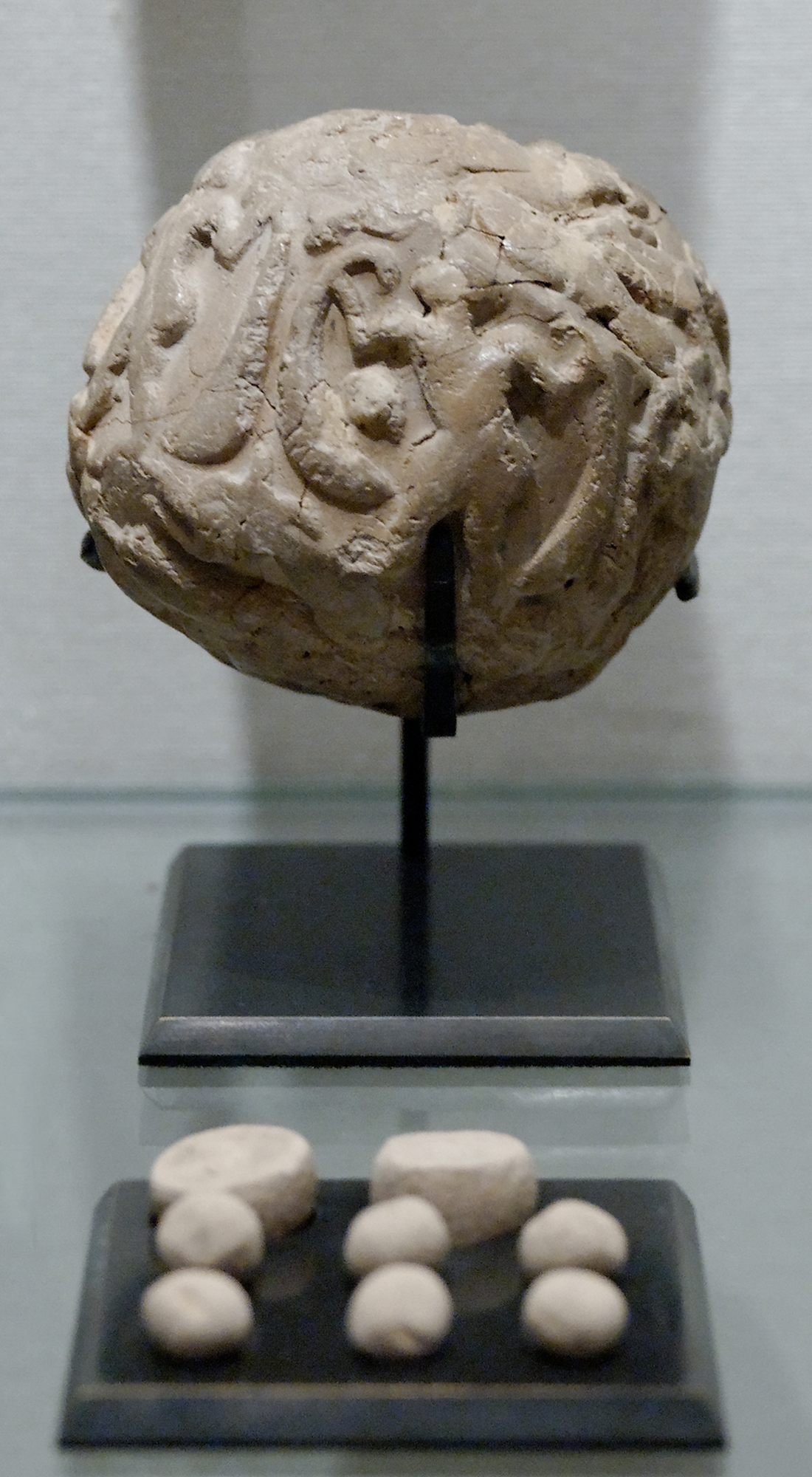
The earliest durable writing systems emerge first in southern Mesopotamia during the late 4th century BCE as administrative technologies rather than as vehicles for literature.
These early texts are mostly accounting, rationing, and inventory lists, used to manage goods, labor, and obligations at urban scale.
1) Pre-literate accounting (tokens and tallies)
Long before “writing” in the strict sense, Near Eastern communities used standardized clay tokens to represent commodities and quantities (grain, livestock, textiles, etc.). These objects functioned as portable counters and as a form of external memory.
2) Verification and audit (bullae)
Tokens were often sealed inside clay envelopes called bullae. The sealing practice created a tamper-evident record, allowing officials to store and transport quantified claims. A crucial step toward writing occurs when the token information is duplicated on the surface of the bulla, so the content can be checked without breaking the seal. These sealed envelopes served as the world’s earliest contracts.
3) Recordkeeping in the abstract (3D counters → 2D marks)
At some point, the impressions on the bullae stand in for the tokens themselves, and use of the counters become unnecessary. Flattened clay surfaces carrying the impressions become the enduring record. This is one of the core bridges between accounting devices and true inscription.
4) Proto-cuneiform archives (Uruk and the “administrative explosion”)
By the late 4th millennium BCE, urban institutions (temples, large households, emergent state systems) needed record systems that were durable, standardizable, and scalable. The Uruk archives show that early writing is heavily list-based: allocations, deliveries, inventories, and labor management.
5) Writing becomes linguistic, then general-purpose
As signs standardize and expand, the system becomes increasingly capable of encoding language (not only things counted, but also names, roles, and actions). Over subsequent centuries, cuneiform becomes a flexible medium for law, scholarship, letters, and literature—while retaining its administrative core.
Lists, Lists, and more Lists
I am a lover of lists, in many forms. Having taken this deep dive into the history of lists, I wanted to spend some time coming up with categories of lists, as well as specific examples of lists to use.
Some things to note – some lists are short and terminate (my ten favorite movies), some will be life lists that you continue to add over the course of years (birding life list), some lists are prefilled checklists that you check off as you attain the milestone (National Parks visited), and some will be lists you start at the beginning of each year or cycle (annual reading tracker).
There are so many ways to incorporate lists into your life – they can be an essential part of your homeschooling journey, your nature study practice, your various hobbies, your journaling practice. They can be an essential part of your home administration.
Keeping lists on various subjects, from Books Read to Birds Observed at the Feeder make for wonderful running projects for students, whether in public, private, or homeschool settings.
Some lists you will want to track digitally, or in a blank notebook, or perhaps prefilled printables work best.
I have many lists that I use, or have used when homeschooling. I have also gone in search of list ideas that I wish I had thought of years ago.
When I first started researching lists, I wasn’t expecting to come up with such an extensive list. But it has been fun exploring all the ways lists can be incorporated into our lives.
References
- Schmandt-Besserat, Denise. “From Accounting to Writing.” Archaeological Tokens (University of Texas at Austin). https://sites.utexas.edu/dsb/tokens/from-accounting-to-writing/.
- “The Origins of Writing.” In Heilbrunn Timeline of Art History. New York: The Metropolitan Museum of Art. https://www.metmuseum.org/essays/the-origins-of-writing.
- Bottéro, Jean. Mesopotamia: Writing, Reasoning, and the Gods. Translated by Zainab Bahrani and Marc Van de Mieroop. Chicago: University of Chicago Press, 1995.
- “World’s Oldest Accounting System Withstood Invention of Writing.” Biblical Archaeology Society (blog).https://www.biblicalarchaeology.org/daily/news/worlds-oldest-accounting-system-withstood-invention-of-writing/.
- “Inventing Writing in South-west Asia.” The Ancient Near East Today 13, no. 1 (January 2025). https://anetoday.org/writing-southwest-asia/.
This List project will be ongoing for me – I plan to follow up with additional posts exploring specific types of lists.
I will be including in-print and online resources, printables, Notion templates, and journaling ideas.
List Formats
- Life list: the all-time, open-ended master list. Good for long-running hobbies (birds, books, parks). Add a simple “date first seen/done” if you want a sense of history.
- Year list: the same idea, but constrained to a calendar year (or school year). Useful when you want a fresh start and a built-in finish line.
- Seasonal list: bounded to spring/summer/fall/winter. Great for phenology, seasonal foods, holiday traditions, and noticing patterns.
- Local list: bounded by geography (backyard, neighborhood, county, “within 30 minutes”). This makes a list more doable and turns it into an exploration game.
- Challenge list: a deliberately artificial constraint (“12 in 12 months,” “one per week,” “A–Z,” “one per state”). Best when motivation matters more than comprehensiveness.
- Rated list: an evaluative list (ranked, starred, or tiered) with 1–2 sentences of notes on why it earned the score. Over time this becomes a personal taste profile.
- Specimen list: an observational log where each entry gets a small record: what it was, when/where, and supporting evidence (photo, audio, link). Ideal for nature lists, museum objects, or recipes you tested.
- Themed micro-list: a tiny list with a narrow prompt (10–25 items), e.g. “5 best walks for bad days,” “10 meals I can cook half-asleep.” These are easy to share and low-maintenance.
- Ongoing log: not a checklist to complete, but a running record (e.g., “books I quote,” “places I worked,” “weird facts noticed”). Works best with dates and quick tags.
- Before/after list: a paired list that tracks change: “before I tried X / after I tried X” or “what I believed / what I believe now.” Useful for experiments, health, learning, or habits.
Nature lists
- Birding
- Life list (all-time)
- Year list
- Backyard list
- County list
- Birding hotspots visited
- Plants and fungi
- Wildflowers spotted
- Native plants in your yard
- Trees identified on walks
- Mushrooms photographed (ID confirmed / pending)
- Herps and mammals
- Amphibians found
- Reptiles found
- Mammals seen in the wild
- Insects and invertebrates
- Butterflies and moths
- Bees and pollinators
- Dragonflies
- Nature journaling prompts
- First bloom dates (phenology)
- “First of the season” sightings
- Unusual weather events observed
Geography and places
- Travel coverage
- Countries visited
- U.S. states visited
- National parks visited
- State parks visited
- UNESCO World Heritage Sites visited
- Local exploration
- Neighborhood walks (routes)
- Favorite coffee shops by city
- Public libraries visited
- Museums visited
- Place-based “quests”
- Highest point visited in each state
- Waterfalls visited
- Bridges crossed
- Historic cemeteries visited
Books, reading, and learning
- Reading progress
- Books read this year
- Books reread
- Books abandoned (and why)
- Series completion tracker
- Curation lists
- “Top 10 books that changed my mind”
- “Books to recommend to ___” (by person)
- Shortlist for book club picks
- Research and study
- Concepts to learn (with sources)
- Definitions worth keeping
- Questions I want to answer
Media (film, TV, podcasts, music)
- Film and TV
- Movies watched
- Director deep-dives (all films by one director)
- Comfort rewatches
- Podcasts
- Episodes worth revisiting
- Podcasts by topic
- Music
- Albums listened to (by month)
- Concerts attended
- “Songs that got me through ___”
Food and cooking
- Cooking repertoire
- Go-to weeknight meals
- “Company meals” (low stress)
- Sauces and spice blends you actually use
- Tasting lists
- Restaurants tried
- Best meals of the year
- Coffee beans tried
- Teas tried
- Baking
- Sourdough bakes
- Cookies tested (rated)
Health, fitness, and wellbeing
- Movement
- Walk routes and distances
- Strength workouts completed
- Mobility routines
- Health tracking (lightweight)
- Supplements tried (effects noted)
- Sleep experiments
- Foods that help / hurt
- Medical / admin
- Doctors and clinics (contact + notes)
- Vaccines and screenings
Home and household
- Maintenance
- Seasonal home checklist
- Repairs completed
- Repairs needed
- Collections
- House plants
- Tools you own (and where they live)
- Pantry inventory (minimal)
Personal life and relationships
- People lists
- Gifts given (so you do not repeat)
- Gift ideas by person
- People you want to reconnect with
- Rituals and memories
- Family traditions
- “Stories I want to remember”
- Photos to print
Creative practice (writing, art, craft)
- Writing
- Essay ideas
- “Open loops” in drafts
- Metaphors and lines worth saving
- Art and craft
- Projects finished
- Techniques to learn
- Supplies inventory (only what matters)
Skills and professional development
- Skills to build
- Skills I am learning (with micro-goals)
- Courses taken
- Certifications
- Work systems
- Templates and workflows you use
- Experiments that worked (and didn’t)
Money and practical administration
- Finance
- Subscriptions (keep/cancel)
- Big purchases (date + satisfaction)
- Savings goals
- Documents
- Account list (where things are)
- Renewal dates
Community and civic life
- Participation
- Volunteer shifts
- Events attended
- Talks and lectures
- Civic geography
- Polling places used
- Local organizations to support
Spirituality and inner life
- Practice lists
- Tarot / oracle spreads used
- Rituals you return to
- Prayers / Spiritual readings that matter
- Meaning-making
- Symbols and archetypes encountered
- Synchronicities worth noting